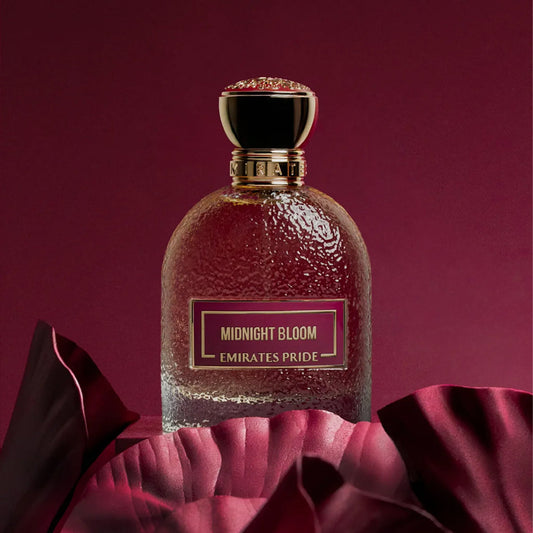
Walk into any department store and you'll find hundreds of perfumes lining the shelves — Chanel, Dior, Giorgio Armani, Versace. These are household names. But ask a serious fragrance lover what they're wearing and there's a good chance you've never heard of the brand.
That's the world of niche perfume — and once you discover it, you rarely go back.
But what exactly makes a perfume "niche"? Is it just a marketing word for expensive? Or is there something genuinely different about these fragrances? Let's break it down properly.
Niche Perfume vs Designer Perfume: The Core Difference
The simplest way to understand it:
Designer perfumes are created by fashion houses — brands like Dior, Chanel, Tom Ford, and Armani. Fragrance is one part of a much larger business that includes clothing, accessories, and cosmetics. These perfumes are designed to appeal to the widest possible audience, which means the formulas are often safe, crowd-pleasing, and built around mass-market ingredients.
Niche perfumes come from houses that do only fragrance — nothing else. Brands like Creed, Amouage, Maison Francis Kurkdjian, and Memo Paris exist purely to make scent. Without clothing lines or handbag collections to fund them, fragrance is their entire identity. This freedom allows them to take creative risks, use rare and expensive ingredients, and produce fragrances that are genuinely unlike anything you'll find in a mall.
In short: designer perfume is made for everyone. Niche perfume is made for you.
What Makes a Fragrance Truly Niche? 5 Key Markers
1. Exclusive, High-Quality Ingredients Niche perfumers have no budget constraint forcing them to swap out expensive naturals for synthetic alternatives. You'll find genuine oud, real Bulgarian rose absolute, aged ambergris, and rare resins that simply don't exist in mass-market bottles.
2. Small-Batch Production Most niche houses produce in limited quantities. This keeps quality high and exclusivity real — you won't smell yourself walking down a crowded street.
3. Creative Freedom Without pressure to please millions of customers, niche perfumers create bold, challenging, and deeply personal fragrances. Some smell like rain on hot concrete. Some smell like a library. Some are polarizing — and that's exactly the point.
4. The Perfumer is the Star In niche fragrance, the nose behind the bottle matters. Houses like Serge Lutens, Frederic Malle, and Byredo built their entire brands around the vision of master perfumers, not marketing departments.
5. No Mass Distribution You won't find true niche perfumes in supermarkets or airport duty-free shops. They're sold through specialist retailers, boutiques, and dedicated online stores — like Amber Lab.
Are Niche Perfumes Expensive?
Yes — and for good reason.
A typical designer fragrance might contain 10–15% natural ingredients. A niche perfume can contain 30–50% or more. The raw materials alone cost significantly more. Add in small-batch production, handcrafted bottles, and no advertising budget (niche brands grow through word of mouth, not TV commercials), and the higher price tag makes complete sense.
The real question isn't "why is it expensive?" — it's "what am I actually getting for the price?" With niche perfume, the answer is: better ingredients, more originality, longer-lasting scent, and a fragrance that fewer people around you will be wearing.
Is Creed a Niche Perfume?
This is one of the most debated questions in the fragrance world — and the honest answer is: it depends who you ask.
Creed was historically considered niche. Founded in 1760, it operated as a private, family-run house for centuries, creating bespoke fragrances for royalty and heads of state. Aventus, its most famous scent, became a cultural phenomenon among fragrance enthusiasts.
However, after a majority stake was sold to private equity in 2020 and the brand expanded into wider retail distribution, many in the fragrance community argue Creed has crossed into "luxury designer" territory. The quality debate has also followed.
The verdict: Creed originated as niche and still carries that heritage — but today sits in a grey area between niche and prestige designer.
Niche Perfume Examples Worth Knowing
If you're new to the niche world, these are the houses that serious fragrance collectors talk about most:
For Oud & Middle Eastern Richness: Amouage, Roja Parfums, Memo Paris, Maison Crivelli
For Clean, Modern Minimalism: Byredo, Le Labo, Maison Margiela Replica
For Bold & Unconventional: Serge Lutens, Etat Libre d'Orange, Zoologist
For Floral Masterpieces: Frederic Malle, Diptique, Diptyque
For Timeless Classics: Creed, Penhaligon's, Clive Christian
How to Find Your First Niche Perfume
The best way to explore niche fragrance is through sampling. Most niche houses — and specialist retailers — offer discovery sets or individual samples, letting you experience a scent properly before committing to a full bottle.
At Amber Lab, we curate some of the most sought-after niche fragrances available, giving you access to the world of serious perfumery — without the guesswork.
Whether you're a first-time explorer or a seasoned collector, we'll help you find something that feels like it was made for you.
👉 Explore Our Niche Fragrance Collection at Amber Lab
FAQs
What is niche perfume pronunciation? It's pronounced "neesh" — rhyming with "leash." It comes from the French word meaning a specialized segment or position.
What's the difference between niche perfume and luxury perfume? Luxury refers to price and prestige. Niche refers to distribution, creative independence, and ingredient quality. Some niche perfumes are affordable; some luxury designer perfumes are cheaper than niche. They are different categories, though they often overlap.
Are niche perfumes better than designer? Not automatically — but they offer something different. If you want originality, complexity, and exclusivity, niche almost always wins. If you want something universally wearable and widely recognizable, designer may suit you better.
Is Maison Margiela a niche perfume? Maison Margiela's Replica line sits in a grey area — it's widely available but originated from an artistic, niche-minded philosophy. It's often classified as "masstige" — mass-market luxury.